
The Yin and Yang Symbol
Where Opposites Complete Each Other
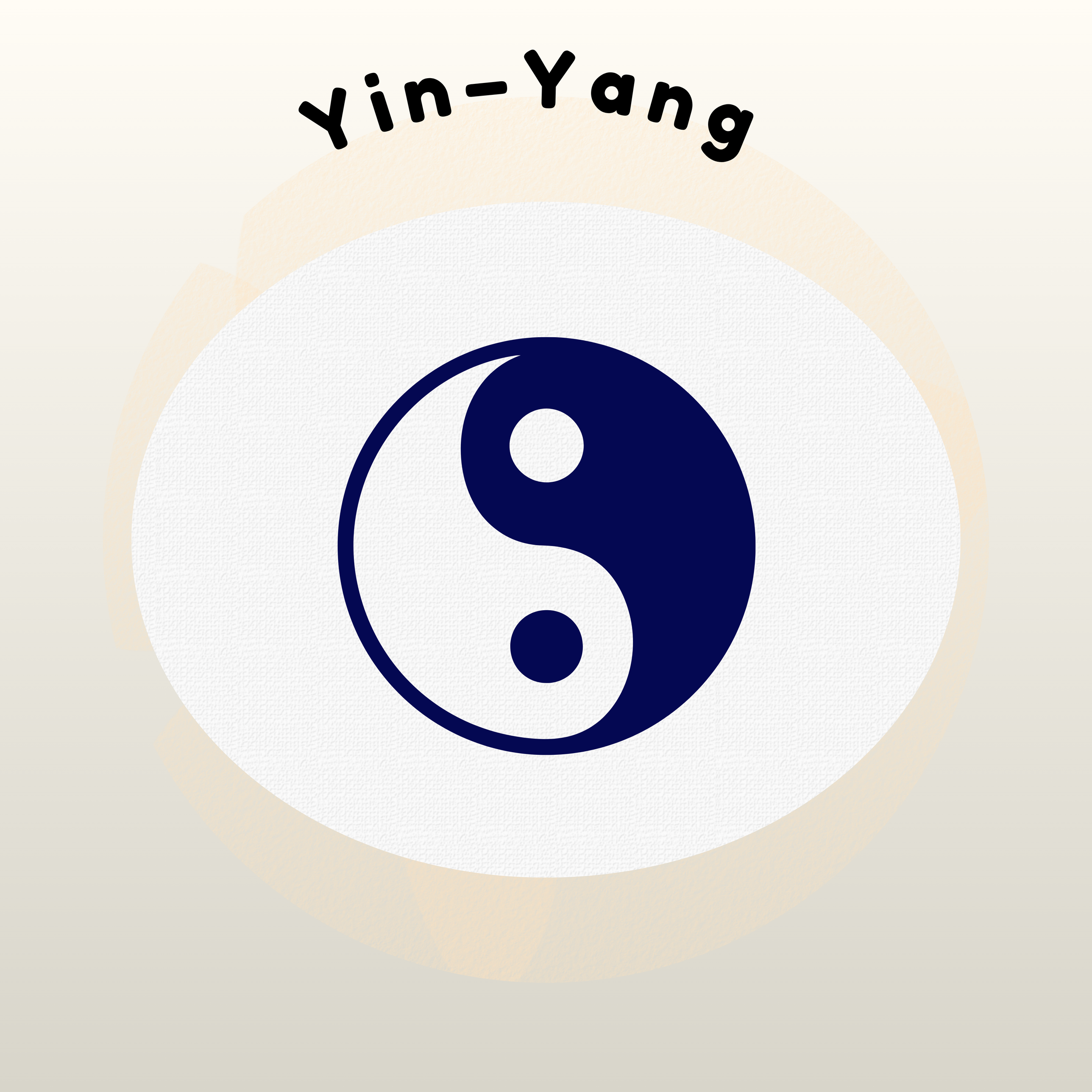
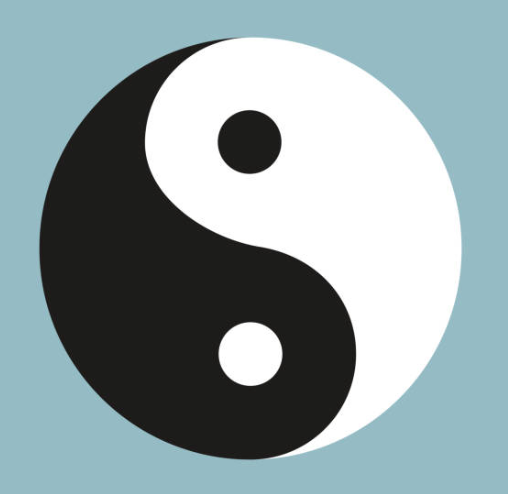
The Yin and Yang symbol, known as the Taijitu, is central to Taoism. It depicts two interlocking shapes — one dark (yin) and one light (yang) — flowing into one another within a circle.
Yin represents qualities such as receptivity, stillness, and depth; yang reflects activity, brightness, and outward movement. Rather than opposing forces, they are complementary energies that continually interact and transform into one another. The small dot of each color within the other shows that each contains the seed of its counterpart.
The symbol expresses balance, harmony, and the dynamic unity underlying all of life.
The History Behind the Symbol
The concept of Yin and Yang dates back thousands of years, with its earliest roots in the Zhou Dynasty (1046–256 BCE) and the I Ching, or Book of Changes — an ancient Chinese text on cosmology and divination. In its earliest usage, Yin and Yang weren't philosophical abstractions at all, but simple descriptions of the natural world: yang meant the sunlit side of a hill, yin the shaded side. Over time, these observations of light and shadow, movement and rest, grew into one of the most enduring frameworks in Chinese thought.
The familiar circular symbol — known as the Taijitu — came much later. While its exact origins are debated, it's most closely associated with the Song Dynasty (960–1279 CE) and the Daoist philosopher Zhou Dunyi, who described the creation of the universe as arising from the interplay of Yin and Yang, unified in a single concept called the Taiji, or "Supreme Ultimate." The symbol's familiar black-and-white halves, each holding a small dot of the opposite color, reflect that same teaching: nothing is absolute, and every force carries the seed of its opposite within it.
The Taijitu was refined further over the centuries by generations of Chinese scholars who worked to visually diagram the patterns they believed governed the universe. By the late 14th century, the symbol had taken the form still recognized around the world today — a circle in constant, balanced motion between light and dark, expansion and contraction, activity and stillness.
At the heart of all these traditions is a single, consistent teaching: change is constant, and nothing exists in a fixed, permanent state. Day always gives way to night; activity always settles into rest. Rather than resisting this movement, Yin-Yang philosophy invites us to flow with it — trusting that balance isn't something we force, but something we notice and return to, again and again.
The Philosophy Behind the Symbol
The Yin-Yang reminds us that opposites are not enemies — they are partners. Light needs darkness to be seen; stillness gives activity its meaning; rest and motion, giving and receiving, all exist in relationship rather than in conflict. Nothing in life stays fixed in one state forever; each condition carries within it the beginning of its opposite, and change is not something to resist but something to flow with. To live by the Yin-Yang is to seek balance rather than domination — trusting that wholeness comes not from eliminating one side of life, but from honoring how each part completes the other.
Explore more of the sacred symbols that inspire our community, or join us at CSL NOCO to experience these teachings in practice.