
The Happy Human Symbol
A Symbol of Joy, Freedom, and Human Potential
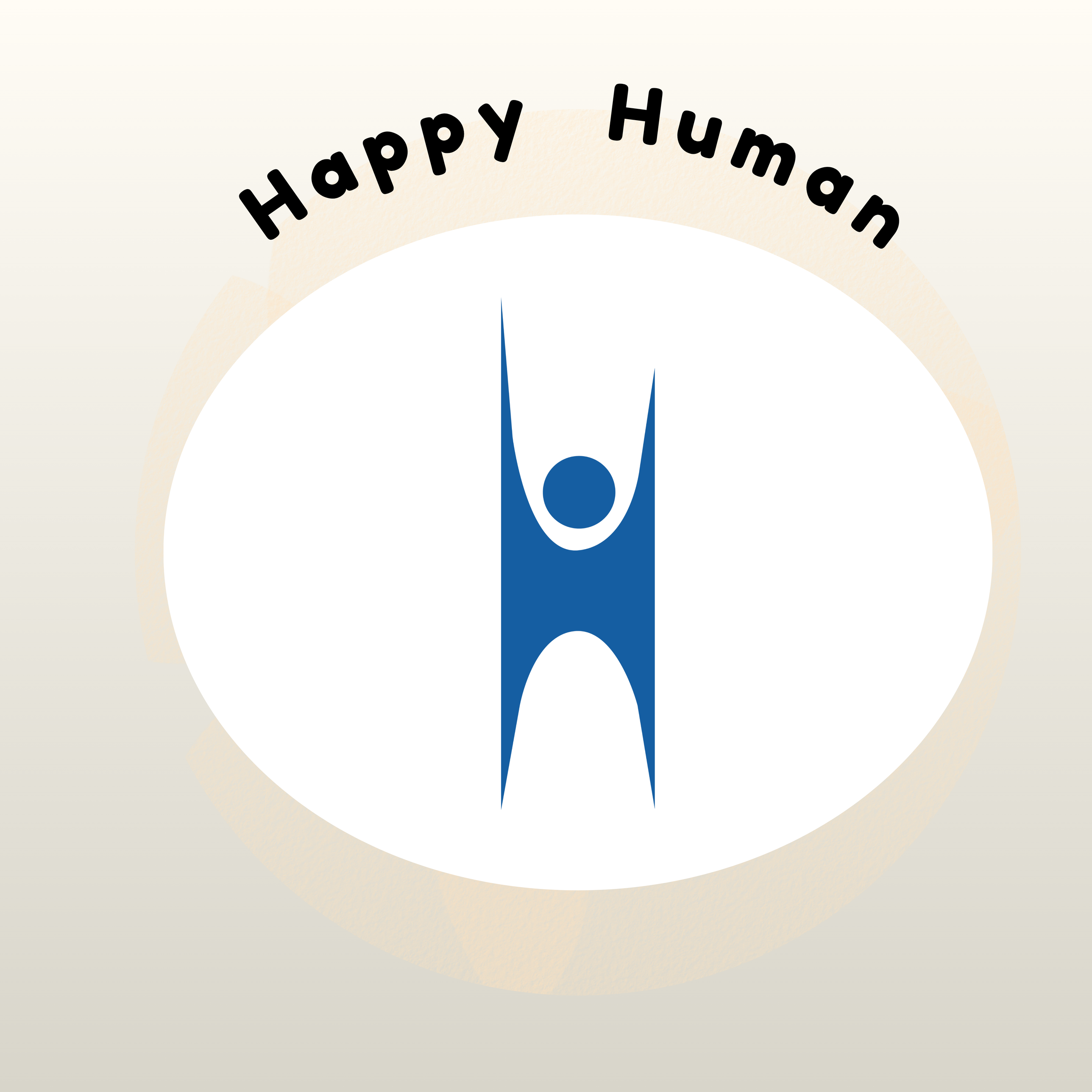
The Happy Human
A Symbol of Joy, Freedom, and Human Potential
The Happy Human is one of the most recognized symbols in the world of secular humanism. At first glance it's beautifully simple — a stick figure with arms raised joyfully in the air. Look closer and you'll see the figure forms a capital "H" — standing for Human and Humanism. Those uplifted arms say everything: celebration, freedom, and the deeply held belief that human beings have the power to create lives of meaning and joy.
This isn't a symbol of a deity or a doctrine. It's a symbol of you — of human agency, dignity, and the potential within each of us to shape our world for the better.
The History Behind the Symbol
In 1965, the British Humanist Association — then just two years old — issued a challenge: design a symbol that could capture the entire spirit of humanism in a single, simple, reproducible drawing. The reward was five guineas. What followed was an international search.
More than 150 entries arrived from around the world — from Australia, Mexico, and everywhere in between. One by one they were reviewed, and one by one they were rejected. The file of rejects kept growing. Until one morning, a single entry stopped everyone in their tracks. The reaction was immediate and unanimous — this was it.
The winning design came from Dennis Barrington — a London-based artist and window-dresser who had only discovered the BHA earlier that same year through an ad in The Observer. He had nearly missed the whole thing entirely. His entry was described by the judges as "outstandingly the best — simple, attractive and relevant. Everybody will find his or her own significance for it."
Within just a few years, humanist organizations across Europe, Africa, and the Americas had adopted the Happy Human as their own. What began as a five-guinea competition entry had become the international face of a global movement.
Today, Humanists UK holds the trademark for the original 1965 design and freely licenses it to humanist organizations around the world. The American Humanist Association, Humanists International, and hundreds of other groups continue to carry it forward — each one with arms raised.
The Philosophy Behind the Symbol
Humanism is more than the absence of religion — it is a full and rich approach to life, grounded in reason, compassion, and a deep respect for human dignity.
Humanists look to science and evidence to understand the world around them, and to empathy and reason when navigating questions of right and wrong. Rather than drawing moral guidance from sacred texts or divine authority, humanists believe that our shared humanity is itself the foundation for how we treat one another and care for the planet we all call home.
Central to humanism is the belief that this life — the one we are living right now — is precious and worth celebrating. Because humanists do not hold to beliefs in an afterlife, the here and now takes on even greater meaning. Joy, connection, creativity, and contribution are not preparations for something else. They are the point.
Humanists also believe deeply in human freedom — the freedom to think for yourself, shape your own path, and find your own meaning. And with that freedom comes responsibility — to one another, to future generations, and to the world we share.
As for what we leave behind — humanists find comfort in knowing that something of each of us does carry on. Not through a soul in another realm, but through the lives we touched, the ideas we passed forward, and the world we helped make a little better.
Explore more of the sacred symbols that inspire our community, or join us at CSL NOCO to experience these teachings in practice.